

Key takeaways
- Building relationships with existing clients helped Brenda quickly integrate into a new town and business.3:25
- Seasonal demand in retirement communities can mean feast-or-famine workflow, requiring flexibility.4:54
- Modern marketing—especially business cards with a photo, Facebook, and free clinics—helped Brenda grow her clientele.10:31
- Upgrading machine software and taking classes were vital to increasing efficiency and confidence.28:30
- Offering extra services like binding and trimming can add value and income.20:41
- Personal control over schedule and work-life balance is a major benefit of running a quilting business.35:41
The numbers
| Metric | Value | Basis | Note |
|---|---|---|---|
| Pricing | |||
| Thread and batting charges | Not mentioned. | stated | |
| Volume and capacity | |||
| Quilts per year | 400 quilts | 18:52 | Brenda's current annual customer quilt volume; was about 200/year when she started |
| Time | |||
| Quilting hours per week | 15–60 hours | 14:43 | 15-20 in summer, 35-60 in winter; includes all business activities |
| Equipment | |||
| Machine (model, throat, table) | Statler Optimum (Gammill), upgraded with new computer and track system about 4 years ago; original machine ~20 years old | 5:30 | |
| Number of machines | 1 | 18:59 | One machine in use |
| Business profile | |||
| Years in business | 5 years | 2:12 | Brenda has run the business for about 5 years |
24 other metrics were not covered in this interview
- Edge-to-edge rate
- Custom rate
- Queen-size price, edge-to-edge
- Queen-size price, custom
- Average price per quilt
- T-shirt quilt price
- Backlog / waiting list
- Turnaround time
- Time per quilt, edge-to-edge
- Time per quilt, custom
- Edge-to-edge share of work
- Mail-in share
- Hourly rate (stated)
- Annual revenue (stated)
- Worst year revenue
- Lifetime revenue per machine
- Annual earnings (est.) (have: quilts per year 400 quilts; missing: a price (average price per quilt, queen-size edge-to-edge price, or edge-to-edge rate); or, alternatively, have: quilting hours per week 15–60 hours; missing: a stated hourly rate)
- Effective hourly rate (est.) (have: quilting hours per week 15–60 hours; missing: annual earnings (est.))
- Machine cost
- Machine payback (stated)
- Machine payback (est.) (missing: machine cost and annual earnings (est.))
- Studio size
- Years quilting
- Customers
What the numbers say
What the numbers say
The business currently completes about 400 quilts per year, up from around 200 per year when it started five years ago.18:52 This suggests a significant increase in throughput and possibly improved efficiency or demand over time. However, without information on backlog or turnaround time, it’s unclear whether the business is operating at full capacity or has room for more work.
Quilting hours vary widely, from 15–20 hours per week in the summer to 35–60 hours per week in the winter, with all business activities included in this total.14:43 With only one machine in use,18:59 this range indicates that the business can flexibly scale its output with seasonal demand, but the actual time spent quilting versus other tasks is not specified.
Pricing information—including rates for edge-to-edge, custom, and T-shirt quilts, as well as average price per quilt—is not provided. As a result, estimates for annual revenue, hourly rate, and machine payback are not possible with the available data. Similarly, without stated machine cost or earnings, the payback period for the Statler Optimum machine (which was upgraded about four years ago) cannot be calculated.5:30 Overall, the figures give a sense of production scale and equipment investment, but leave most financial and pricing metrics unclear.
Taking Over a Family Business During a Pandemic
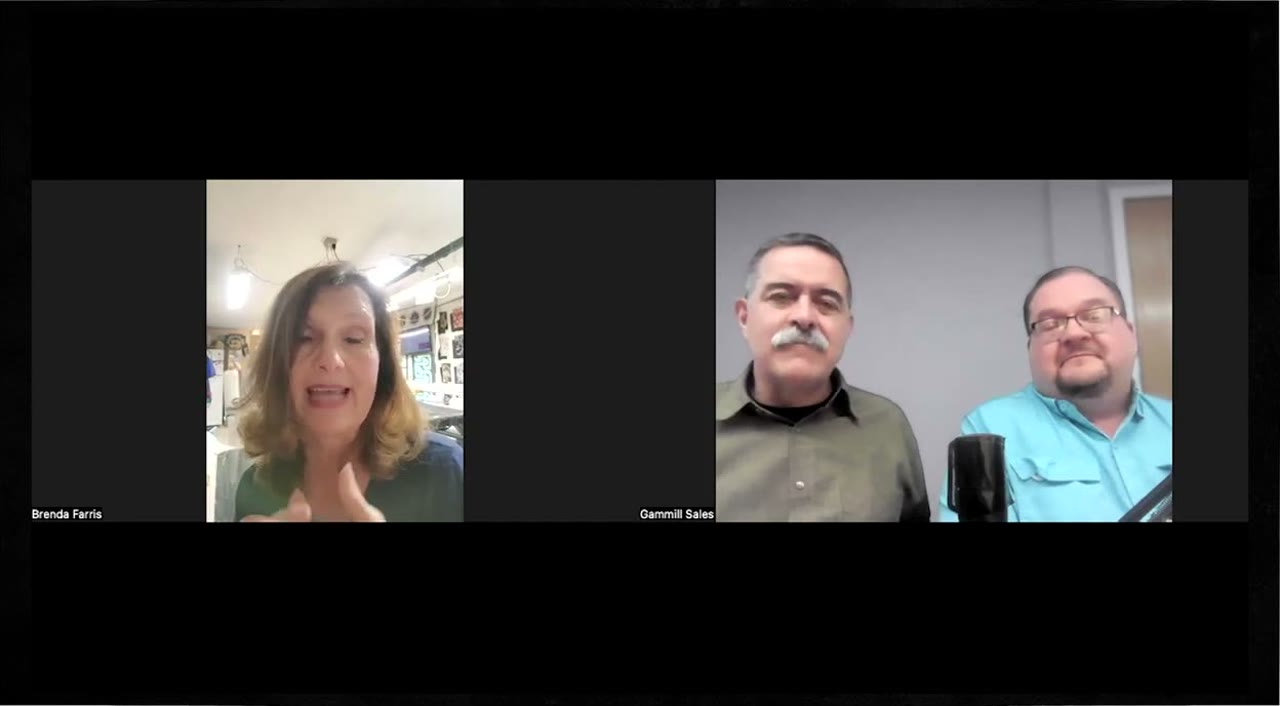
When Brenda Farris moved to Yuma, Arizona in April 2020, she and her husband were there to help her father-in-law, who was ready to retire after 15 years running his longarm quilting business.1:34 Brenda, new to town and the trade, saw the business as an opportunity to learn and connect. “He taught me every day all of the tricks and tips that he knew that he had learned over those years. I’ve been doing this for about five years now, after that time period”.2:06
Starting a longarm quilting business in a new community during the uncertainty of COVID-19 was daunting, but Brenda credits the business for helping her adjust: “Every single person that came through the door had something in common with me because they all loved to quilt”.4:02 She was quickly immersed in the business, handling paperwork, meeting clients, and learning the ropes from her father-in-law, who introduced her to every customer. “I was interacting with them literally every time they came in. So that way, eventually, I made some good kind of instant friends that I could get to know”.3:37
The transition was made easier by the shared love of quilting, which provided instant common ground. Brenda describes the experience as a blessing, giving her a sense of purpose and a way to build relationships in a new town.4:06
“Every single person that came through the door had something in common with me because they all loved to quilt...”
Seasonal Workflow and Client Relationships
Yuma is a retirement town, and Brenda quickly learned the business’s seasonality. “During the winter, we have about three times as many people as we do in the summer… In the winter, I will get many clients. Maybe 15 clients come in during the week in the winter… In the summer, I might get two or three people in a week. So it’s a huge transition”.4:54
Many clients are ‘snowbirds’ who leave for the summer and return with quilt tops in the winter. Brenda maintains these relationships, often holding onto quilts until clients return. “A lot of times they’ll save up their quilts, and they’ll bring the quilt tops back, and we’ll deal with them in the winter, which is wonderful”.9:14 She has even adapted her workflow to accommodate clients who leave their quilts with her over the summer, catching up on their projects when they return in the fall.
Brenda notes that the seasonal cycle means her business is feast-or-famine: “In the winter, I’m probably spending 35 to 60 hours a week quilting and meeting clients… and then in the summer, it probably goes down to maybe 15 to 20 hours”.14:50 During the slower months, she works on her own quilts or those for family, ensuring her skills stay sharp and her machine keeps running. This flexibility is a key part of her business model, allowing her to balance client needs with her own creative projects.
“In the winter, I'm probably spending 35 to 60 hours a week quilting and meeting clients... and then in the summer, it probably goes down to maybe 15 to 20 hours.”
Modernizing Marketing: From Word of Mouth to Social Media
Brenda inherited a loyal customer base but wanted to grow. Unlike her father-in-law, who relied solely on word of mouth and business cards in quilt shops, Brenda expanded her marketing efforts. “I have a very active Facebook page that I set up at the beginning… I go around. We have a lot of RV parks in Yuma… I have my business cards there… I offer clinics at my quilting studio during the good months of the year. About every three weeks, I have them out on the patio… Like 35 to 50 people will show up”.11:34
She also recently started a YouTube channel, posting daily to reach a broader audience. But for local business, Brenda emphasizes the importance of personal connection: “If you want to meet your local people, then I think exactly getting… the picture on the business card… is very important”.24:24 Her business cards, which feature her photo, are distributed in quilt shops and RV park quilting rooms, making her a familiar face before clients even meet her. “It’s so interesting to me how many people say, oh, you’re Brenda Ferris, and so they’ve already heard of me through some kind of word of mouth, or they’ll literally recognize me because my card with my picture is up in their RV park quilting room”.13:55
Brenda’s approach to marketing is hands-on and community-focused. She attends local quilt shops, chats with quilters, and is proactive in introducing herself. “I might be in my local quilt shop, and I’m just walking around looking for a little something. I hear some people on the sideline talking about their quilt… I say, hey, do you have a long-arm quilter? If you’d be interested, then feel free to bring something over to me. I’ll give them a card”.13:39 This personal touch, combined with her online presence, has helped her grow her client base steadily.
“I have a very active Facebook page that I set up at the beginning... I offer clinics at my quilting studio during the good months of the year. About every three weeks, I have them out on the patio... Like 35 to 50 people will show up...”
Building Trust and Making Clients Comfortable
Brenda recognizes that dropping off a quilt with a stranger can be intimidating. To make clients comfortable, she puts her photo on her business card and is proactive in local quilt shops and RV parks. “It’s so interesting to me how many people say, oh, you’re Brenda Ferris, and so they’ve already heard of me through some kind of word of mouth, or they’ll literally recognize me because my card with my picture is up in their RV park quilting room”.13:55
Her approach is warm and welcoming: “I always want to be gracious. Like the quilter, some people come in, oh I didn’t do a great job or my points aren’t meeting or this is one of my first quilts. It’s fine. It’s all fine. We’re all starting where we’re starting”.45:40 She makes a point of celebrating her clients’ choices and achievements, focusing on the positive aspects of their work. “Their quilt looks amazing because of the color of thread they chose to put on it. And I want them to realize that this is a product they’re going to take home, not me”.46:04
Brenda also offers gentle guidance when clients are open to suggestions, always couching advice in positive terms. “Hopefully, occasionally, I’ll have people that are open to suggestions and I will graciously offer them the suggestion on how to make their border not so ruffly next time. But I always want to couch it in the positive and not in the negative of their challenge that they’ve had”.46:56 This supportive attitude has helped her build a loyal client base and a reputation as someone approachable and encouraging.
Managing Workflow: Feast and Famine
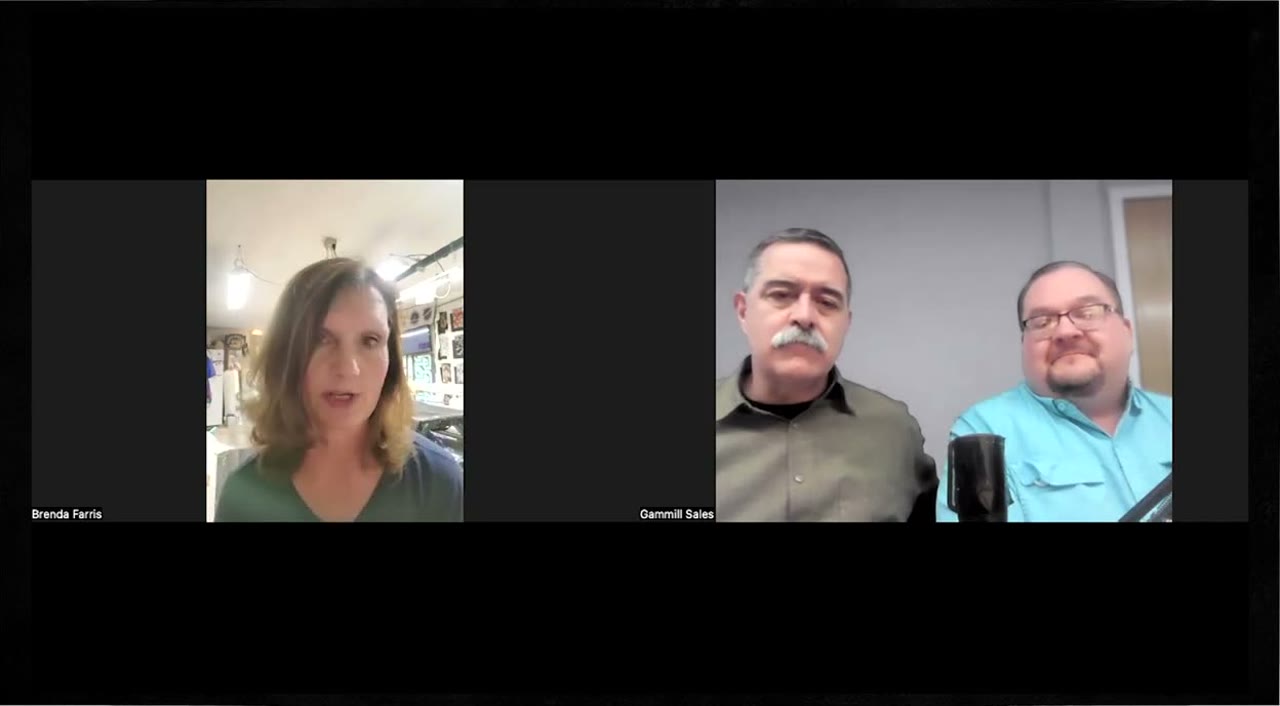
Brenda’s quilting hours vary dramatically by season. “In the winter, I’m probably spending 35 to 60 hours a week quilting and meeting clients… and then in the summer, it probably goes down to maybe 15 to 20 hours”.14:50 This flexibility allows her to catch up on personal projects or family quilts during slower months.
Despite the fluctuations, Brenda has doubled the business’s annual output. “When I first got here, we were probably doing about 200 a year, maybe. But right now, I do 400 a year”.18:34 She attributes this growth to her focus on customer service, marketing, and workflow improvements. Brenda is also open to expanding her services, learning new techniques like hand-guided quilting, and collaborating with other local quilters who are overwhelmed with demand.15:47
She manages her workload by prioritizing client quilts during the busy season and using the summer to experiment with new patterns, threads, and techniques. “In the summer, I have a lot of that. So it’s a way different situation between the two, but you’re right. Otherwise, it would be all of the hours”.15:20 This approach keeps her business sustainable and her skills evolving.
“When I first got here, we were probably doing about 200 a year, maybe. But right now, I do 400 a year.”
Adding Value: Extra Services and Education
Brenda offers more than just quilting: she provides binding (machine-stitched), trimming, and even makes t-shirt quilts. “I offer a couple of different styles of bindings… I do teach a couple of clinics. All the clinics are free. I teach a couple of clinics here every year on bindings because I want people to see that they can do great bindings as well, but they’re totally welcome… I’m so happy to do bindings for people and I do have a decent amount of people take me up on it”.20:41
Her pricing is transparent: “Trimming a quilt is just a nominal fee. It’s usually five to ten dollars depending upon the size of the quilt… My binding is about 23 cents a linear inch and of course that’s going to include everything”.26:27 She explains that her binding service includes making the binding strips, attaching them, and finishing by machine. “I attach it on the back and then I attach it on the front by machine only… I do an amazing top stitch binding, it’s very beautiful. So that’s what I… it’s 23 cents a linear inch and it includes it start to finish”.27:00
Brenda also makes t-shirt quilts and other custom projects, drawing on her background in custom tailoring. She encourages clients to attend her free clinics, where she teaches binding techniques and other quilting skills. “I want people to see that they can do great bindings as well, but they’re totally welcome… I’m so happy to do bindings for people and I do have a decent amount of people take me up on it”.20:41 By offering these extra services and educational opportunities, Brenda adds value for her clients and creates additional income streams.
Learning, Upgrading, and Staying Current
Brenda’s machine—a Statler Optimum—was upgraded with a new computer and track system about four years ago, vastly improving usability. “When we first came, we were doing that precision stitch and it was confusing to me… once we got that upgrade… we had the creative studios at that point… to me it was so much more intuitive. I felt like, oh, yeah, this now this finally makes some sense”.29:46
She is diligent about keeping her software up to date: “I always do the software updates every time they come I always grab a hold of that and I find that it just helps things to run smoothly”.28:30 Brenda also invests in ongoing education, taking classes and inviting professionals to review her workflow. “I did do the quilting with confidence two years ago—huge benefit… I’ve taken some more classes since then… I had one of the gamble professionals teachers come here… and she showed me a lot of new things that just little tiny things… you just didn’t realize if somebody wasn’t there to say here’s another way to consider doing it”.32:14
She encourages others to seek out classes, join online groups, and learn from fellow quilters. “Taking classes, learning from other people, asking questions along the way wherever you can… That would probably be what I would like to have known right from the beginning”.39:04 Brenda’s commitment to learning and upgrading her skills and equipment has been central to her business’s growth and her own confidence.
Work-Life Balance and Personal Fulfillment
For Brenda, running a quilting business is about more than income. The flexibility lets her support her husband, who works from home and has physical disabilities. “The very best part is that you have control of your time and you can fit things in in your schedule for the most part… I can be here to help him and he needs he just needs a lot of physical help all day… I can get a quilt started… and I can go in and help him with what he needs as well”.36:29
She also values being a resource in her community: “Be the go to person in your community, like become somebody that people will come to and want to ask questions and want to find out what you know and what you’ve learned”.42:56 Brenda’s clinics and approachable demeanor have made her a trusted figure in the local quilting scene. She stresses the importance of enthusiasm and graciousness: “I want to be very personable to the person who comes here and I want to be relatable and I want to be enthusiastic… I always want to be gracious”.45:33
Brenda’s story highlights how starting a longarm quilting business can offer not just financial rewards, but also personal satisfaction, community connection, and the ability to shape one’s own schedule and priorities.
“I always want to be gracious. Like the quilter, some people come in, oh I didn't do a great job or my points aren't meeting or this is one of my first quilts. It's fine. It's all fine. We're all starting where we're starting.”
“Be the go to person in your community, like become somebody that people will come to and want to ask questions and want to find out what you know and what you've learned.”
Questions this interview answers
How did Brenda Farris start her longarm quilting business?
Brenda took over her father-in-law's established longarm quilting business in Yuma, Arizona, after moving there in 2020. She learned the craft directly from him and gradually made the business her own by modernizing marketing and building relationships with existing and new clients.2:06
What marketing strategies helped Brenda grow her quilting business?
Brenda used a combination of business cards with her photo, active engagement in local quilt shops and RV parks, a Facebook page, free clinics at her studio, and daily YouTube posts. She found personal connection and local outreach most effective for attracting new clients 11:34.24:24
How many quilts does Brenda complete in a year?
Brenda currently quilts about 400 quilts per year, up from around 200 when she started. This is accomplished with one upgraded Statler Optimum machine.18:34
What extra services does Brenda offer in her quilting business?
She offers machine binding (23 cents per linear inch), trimming (typically $5–$10 depending on size), and also makes t-shirt quilts and provides free clinics on binding and other quilting techniques 26:27.20:41
What advice does Brenda have for someone starting a longarm quilting business?
Brenda recommends taking classes, joining online groups for support, getting your name and face out locally with business cards, and being open to learning from others. She emphasizes the importance of community and ongoing education.39:21
Source
This article was written from Episode 58 of Quilting Business Success with Brenda Farris. Quotes are verbatim and link to the moment in the recording. Full transcript · Markdown version.