

Key takeaways
- Building relationships in local guilds and charity quilting laid the foundation for Cynthia’s customer base.12:23
- Answering the phone and good communication are crucial for attracting and keeping quilting clients.17:10
- Most of Cynthia’s work is edge-to-edge quilting, charged at 2.5¢ per square inch, with custom work at 3–3.5¢ 20:15.23:52
- She manages her quilting workload around a full-time real estate career, quilting about 20 hours each weekend.19:14
- Referrals and word-of-mouth from happy customers drive ongoing business.33:40
- Letting the business grow organically and staying clear about turnaround times keeps stress low and customers satisfied 32:28.33:05
The numbers
| Metric | Value | Basis | Note |
|---|---|---|---|
| Pricing | |||
| Edge-to-edge rate | 2.5 ¢/sq in | 20:15 | Cynthia's stated typical area rate for edge-to-edge in her area |
| Custom rate | 3–3.5 ¢/sq in | 23:52 | Cynthia's stated range for custom work, depending on complexity |
| Thread and batting charges | No explicit mention of thread or batting charges; $25 to fix a back or put binding on front, full binding sent to a friend for hand stitching (price not stated). | 20:20 | Thread/batting charges not specified; binding and back repair $25 each |
| Volume and capacity | |||
| Turnaround time | 0.3–5 weeks | 28:02 | Turnaround ranges from a couple hours to 4-5 weeks depending on project |
| Edge-to-edge share of work | 90 % | 22:35 | Cynthia: 90% of work is edge-to-edge |
| Time | |||
| Quilting hours per week | 20 hours | 19:14 | Cynthia: about 20 hours per weekend on quilting business |
| Equipment | |||
| Machine (model, throat, table) | Gammill Statler, 30 inch throat, 12 foot table; previously HQ16 | 1:19 | Current machine since 2018 |
| Number of machines | 1 | 9:18 | One Gammill Statler in use |
| Business profile | |||
| Years in business | 6 years | 1:19 | Business started after getting Statler in 2018; episode in 2024 |
| Years quilting | 16 years | 1:05 | Cynthia: 16 years quilting at all |
20 other metrics were not covered in this interview
- Queen-size price, edge-to-edge
- Queen-size price, custom
- Average price per quilt
- T-shirt quilt price
- Quilts per year
- Backlog / waiting list
- Time per quilt, edge-to-edge
- Time per quilt, custom
- Mail-in share
- Hourly rate (stated)
- Annual revenue (stated)
- Worst year revenue
- Lifetime revenue per machine
- Annual earnings (est.) (have: edge-to-edge rate 2.5 ¢/sq in; missing: quilts per year; or, alternatively, have: quilting hours per week 20 hours; missing: a stated hourly rate)
- Effective hourly rate (est.) (have: quilting hours per week 20 hours; missing: annual earnings (est.))
- Machine cost
- Machine payback (stated)
- Machine payback (est.) (missing: machine cost and annual earnings (est.))
- Studio size
- Customers
What the numbers say
What the numbers say
The available figures provide a partial picture of this quilting business’s operations, especially regarding pricing and workload. The stated edge-to-edge quilting rate is 2.5¢ per square inch,20:15 with custom work ranging from 3 to 3.5¢ per square inch depending on complexity.23:52 Most work (90%) is edge-to-edge,22:35 suggesting that the business primarily handles less complex, higher-throughput projects. However, average quilt prices, annual revenue, and the number of quilts completed per year are not specified, so overall throughput and income remain unclear.
Capacity is suggested by the owner’s report of spending about 20 hours per week on quilting,19:14 but without data on the number of quilts finished or time per quilt, it’s not possible to estimate how many projects are completed or the effective hourly rate. Turnaround times vary widely, from as little as a few hours to as much as 4–5 weeks depending on project complexity,28:02 indicating flexibility but making it hard to assess standard throughput or backlog.
Regarding payback and investment, the business operates with a single Gammill Statler machine,9:18 in use since 2018.1:19 However, the cost of the machine and any payback period—either stated or estimated—are not provided, so it’s not possible to analyze return on investment. Similarly, charges for materials like thread and batting are not specified, though there is a $25 charge for fixing a back or adding binding to the front.20:20
In summary, while the business’s pricing structure and workload focus are clear, most key metrics for capacity, throughput, and financial performance are missing. Any further analysis would require more complete data on volume, revenue, and costs.
From Hand Quilting to Longarm: Cynthia’s Beginnings
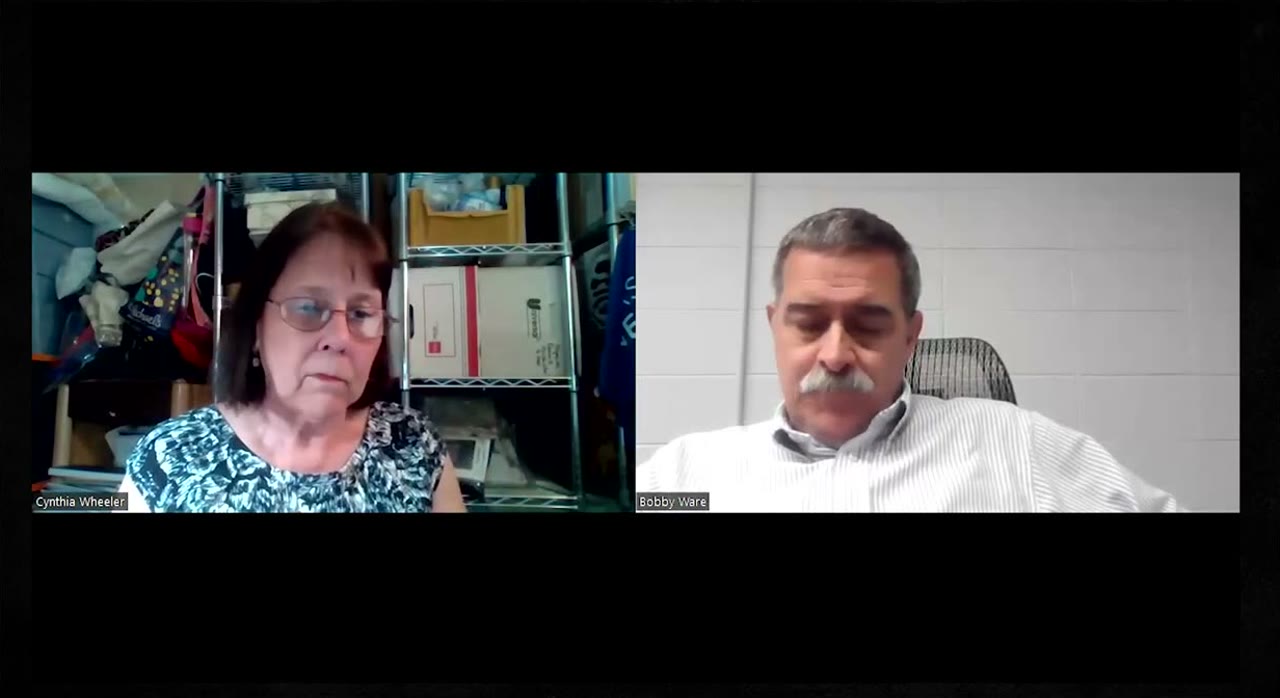
Cynthia Wheeler’s journey to starting a longarm quilting business began with traditional hand quilting in local guilds. “One of the biggest things was that you had to make a quilt that was a bed size quilt. And then the bed size quilt had to be hand quilted”.2:13 She describes the process of basting and hand-stitching large quilts as time-consuming and physically demanding, especially while working full-time and raising children. “I was working full time. I had children. I was going around taking care of them. There was just no way that I was going to hand quilt my quilts, but I didn’t want to give my quilts to somebody else to quilt”.3:54
After years of piecing tops and struggling with domestic machine quilting—“I made big quilts. Then you roll up the quilt and then you shove it through the quilting machine, the domestic machine. And I would have bad cramps in my shoulders and everything would hurt” 5:40—Cynthia reached a breaking point. Her husband, seeing her frustration, asked what she needed. “I said, I need a long arm”.6:25 This led to her first machine, an HQ16, chosen for its size and adjustability to fit her home. She began quilting her own and charity quilts, setting the stage for her future business. “We would quilt these quilts. And it came down to what we were doing it so much that we came down to, okay, we’re going to do 12 in one year. Then it was 15 in one year, then it was 20”.7:29
Making the Leap: Upgrading Equipment and Starting a Business
Ten years in, Cynthia’s vision outgrew her HQ16. She wanted more space and capability for her quilting projects. “I want more space to quilt on”.8:05 Her husband encouraged her to consider a Gammill, and within a month, she ordered a fully computerized 30-inch Gammill Statler on a 12-foot table, delivered in November 2018.9:04
Initially, Cynthia bought the machine to better serve her community and handle more ambitious projects, including charity and veteran quilts. But as the investment sunk in, her quilting partner Susan suggested turning it into a business. “She looked at me and she said, why don’t we start a business? Because, you know, we’re talking about a big chunk of change and this was a good opportunity to possibly add some money into the bucket to pay off the cost of the machine”.11:27 Together, they launched Finely Finished Longarm Quilting Services, a name chosen to reflect both the completion of quilts and the quality of their work.11:52
Cynthia’s transition from hobbyist to business owner was eased by her deep roots in the quilting community and her willingness to invest in top-tier equipment. She also made a strategic financial decision: “I got all these Nordstrom points on there and I got all these. I had so many gift cards to give out to people for Christmas, it was like, it was wonderful, right? And then the next month I paid it off”.18:46
Building a Customer Base Through Community
Cynthia’s years of charity quilting and active guild participation meant she already knew many local quilters. “I had run quilt shows. So I knew 90% of the people that were around, all the quilt stores, everything”.12:37 This network proved invaluable when she started her business. She describes how her reputation for quality work spread through word-of-mouth: “The ladies were seeing the quality of quilting that we were producing, and that was just like a major advertisement, right? Because now they were seeing what they, and they liked it. Can you quilt my quilt?”.15:57
She also benefited from being responsive: “Lo and behold, I was the only one that answered the phone. Nobody answered the phone. I mean, that’s just like basic business, right? You got to answer your phone”.17:10 Many quilters, she notes, miss out on business simply by not answering calls. As her friend Susan retired, Cynthia became the go-to quilter for many in her area, inheriting Susan’s client list and strengthening her standing in the local quilting scene.16:46
Cynthia’s story highlights the importance of community involvement, generosity, and reliability in building a customer base when starting a longarm quilting business. She also appears on local quilt store and guild lists, making her easy to find for new clients.50:17
“Lo and behold, I was the only one that answered the phone. Nobody answered the phone. I mean, that's just like basic business, right? You got to answer your phone.”
Pricing, Services, and Workflow
For those starting a longarm quilting business, Cynthia’s approach to pricing is straightforward: “Typically in this area, it’s two and a half cents per square inch” for edge-to-edge work.20:15 Custom quilting is priced higher, at “about three or three and a half cents per square inch, depending upon the complexity”.23:52 She charges $25 for backing fixes or machine binding on the front, and outsources full hand binding or specialty projects to trusted colleagues 20:20.20:46
About 90% of her work is edge-to-edge, reflecting customer budgets and preferences: “The edge to edge actually is 90%. The hand guided often is ruler based and, and, and every now and then I get something that somebody want this one gal she always gives me. I want it custom. I want it custom she just gives everything she gives me she says I want it custom. And that’s, there’s no talk about it”.22:35
Cynthia encourages clients to plan their quilt tops with quilting designs in mind, helping them get the most value from her services: “I always encourage my people to think about making a quilt with the quilting in mind. Look at the quilt designs that I have, and see if they can create something like they like the certain quilting design and create something to fall within that quilting design”.21:49
She also prepares thoroughly for custom work, using photos and design overlays to map out the quilting plan in advance: “When it comes to custom quilting. So I already know all the designs that I’m going to put in there I have the, I take the photo I put I import it. I put the all the designs on top of it. So I already know my roadmap. I don’t want any surprises in there”.24:31
Balancing Multiple Businesses and Managing Capacity
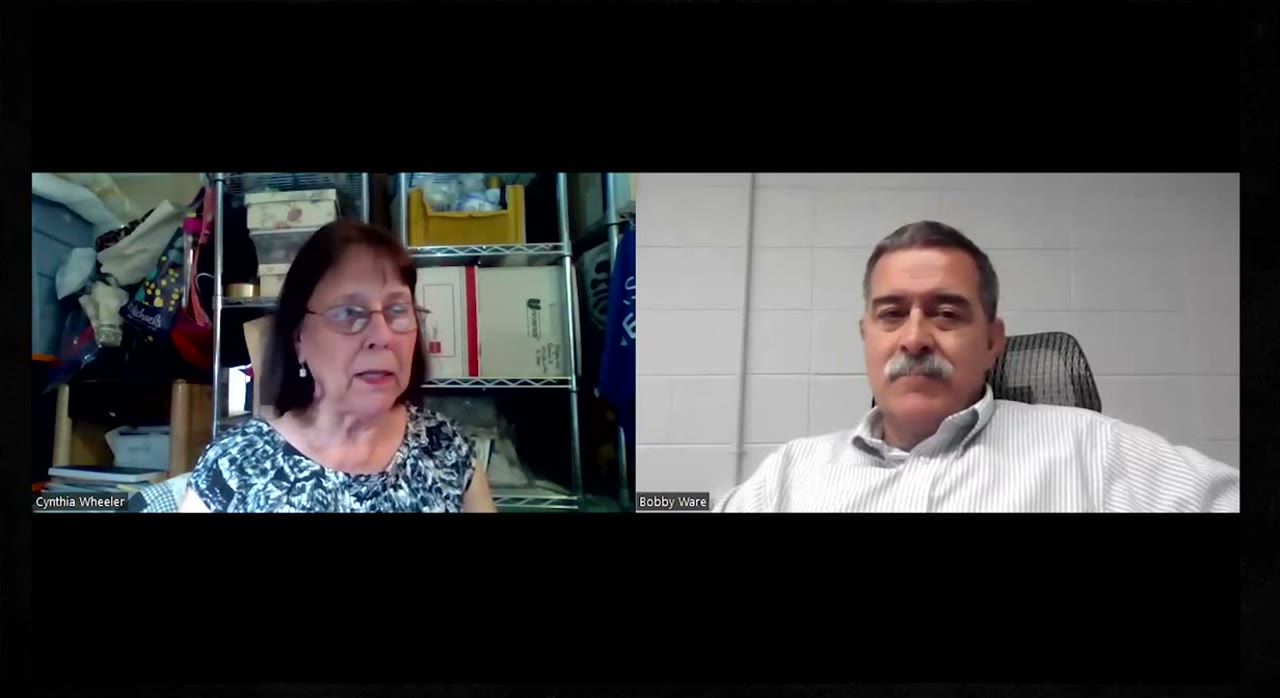
Cynthia owns and operates four businesses, including her real estate firm. Quilting is reserved for weekends, when she puts in about 20 hours per week: “I can easily put in about 20 hours over the weekend”.19:14 She makes her availability clear to clients and manages expectations around turnaround times: “Sometimes I can get it done in a couple hours and other times, I can get it done in four weeks, five weeks depending upon…the quilt”.28:02
She never turns business away outright, but if a deadline can’t be met, she refers clients elsewhere: “If the deadline is at a point, and I cannot meet it for sure I cannot meet it, I tell them that they really need to go someplace else that can meet that deadline”.27:28 Charity quilts are squeezed in between paid projects: “The charity quilts go in between”.29:05
Cynthia typically quilts 20–30 customer quilts per year, but has completed as many as 60 in a busy year. “Sometime when I did maybe 20 or 30 quilts and then one time I did 60 quilts in a year”.26:22 She adapts her workflow to her energy and interest: “If a quilt doesn’t is not in I’m not in love with doing it at that moment I will pick a quilt that I just got and put it on the rack because I’m more efficient doing something that I can do quickly and then when that quilt comes in and I’m like I’m ready for that”.40:19
“I can easily put in about 20 hours over the weekend.”
Customer Experience: Consultations and Communication
Cynthia invests time up front with each customer, using a custom form to record quilt dimensions, batting, thread choices, and design preferences: “I have a form that I made up. And then I say sit here now, it says top. So I go and measure the top. And I say the top is this size, this by this, but the back is this. And if they have batting then I then I have a write down the batting”.35:18
She encourages clients to handle thread spools and review her extensive design library, making sure they feel involved in the process: “Go over there, pull out all the thread you want out of their throat on the top…they’ll just pick out one or two of them and you’ll say okay, these are all gone. Okay, now you decide on that. Let’s go sit down and look at the designs and then I open up pattern cloud. And I look at all my designs I have like 1600 designs” 36:08.36:29
Visual previews of quilting designs help manage expectations and avoid surprises: “They really appreciate it, even if it’s an edge to edge, they really super appreciate getting that vision. So then when they get the quote back. They’re already expecting it, and they’re not disappointed”.24:50 Cynthia also has customers write down their choices: “I have them write down the thread, the type of thread, the color number, the color on the thread, on the upper thread, and the bobbin thread. I have them write down the design. So, they’re invested in what we’ve done. They’ve made the choice, and it’s all in their own handwriting”.39:36
Clear communication about timing and process keeps clients happy and reduces stress for everyone: “If you are telling them that, you know, I’ve got this amount of time, and I can do this and this and this, and you’re about here. Is that good for you. And most people will go along with it, it’ll be fine because they already know what the plan is”.33:14
Letting the Business Grow Organically
Cynthia’s advice for starting a longarm quilting business is to let growth happen naturally and avoid anxiety about competition or slow periods. “Let your business grow organically…You have highs, and you have lows…sometimes you don’t hear any from anybody for months, and then all of a sudden you have 40 quilts”.32:34
She emphasizes the power of referrals: “The best people to actually give you business are those people that refer to you. They’re the ones that will brag about you”.33:40 Cynthia shares a story about a customer who proudly showed off a quilt Cynthia had spent a month quilting, telling everyone at a show who had done the work. “She was just so proud of it, and she, she got a nice award for it and everything. So, the people who you do, you know you take time out for, they will, they will sing your praises. Just let them do it”.34:32
Cynthia also notes that anxiety and negativity can drive customers away: “That anxiety transfers over to your customers and your customers don’t enjoy that so that they will move on”.31:01 Her approach is to focus on enjoying the work and being transparent about what she can offer.
“The best people to actually give you business are those people that refer to you. They're the ones that will brag about you.”
Support Systems, Learning, and Final Advice
Cynthia credits her husband, quilting friends, and local guilds for their support. Her husband, who encouraged her to buy her first longarm, now serves as her self-appointed quality control inspector: “He has become my official quilt job inspector…he checks all the stitches all the designs all the quilts that come in and before they go out he has to inspect it”.42:52 She also highlights the camaraderie among local longarmers, even those technically in competition: “We are extremely supportive with our machines and our skills”.50:55
She encourages new quilters to be open to learning and to find their own niche: “Figure out what it is that you want to do…and be the best edge to edger”.47:27 Cynthia continues to learn from others, mentioning how she pays for online classes to keep improving her skills: “I still pay the five dollars a month a month to see her class because I want to watch her. She is such an amazing designer and she has so many things hidden in her mind and I feel like every time I watch that I learn something new”.48:01
Cynthia’s story demonstrates that starting a longarm quilting business is as much about relationships, learning, and joy as it is about technical skill and pricing. She advises, “Give yourself the opportunity to learn and to find out what it is that you can do”.48:17
Questions this interview answers
How did Cynthia Wheeler find her first quilting customers?
Cynthia built her customer base through years of charity quilting, active participation in local guilds, and by being responsive—she was often the only quilter who answered the phone, which quickly set her apart.17:10
How does Cynthia price her quilting services?
She charges 2.5¢ per square inch for edge-to-edge quilting and 3–3.5¢ for custom work, with additional fees for backing fixes or machine binding. Specialty projects are referred to trusted colleagues 20:15.23:52
How many quilts does Cynthia complete in a year?
She typically quilts 20–30 customer quilts per year, but has completed as many as 60 in a busy year. Charity quilts are done in between paid projects 26:22.29:01
Source
This article was written from Episode 46 of Quilting Business Success with Cynthia Wheeler. Quotes are verbatim and link to the moment in the recording. Full transcript · Markdown version.