

Key takeaways
- You don’t need prior quilting experience to start a successful longarm quilting business—Andrew began with none and now quilts full time.31:31
- Pricing edge-to-edge quilting at 3¢ per square inch (including batting and thread) is sustainable and competitive, even in areas with hobbyist competition.11:12
- Partnering with local fabric shops and joining quilting guilds are the most effective ways to find and retain customers 7:25.13:29
- Investing time in learning your machine and software before it arrives can accelerate your business launch.20:41
- Good communication with customers—especially about their vision for the quilt—is essential to satisfaction and repeat business.15:11
- Treating your business like a business, with attention to marketing, bookkeeping, and workflow, is key to long-term success.22:12
The numbers
| Metric | Value | Basis | Note |
|---|---|---|---|
| Pricing | |||
| Edge-to-edge rate | 3 ¢/sq in | 11:12 | Andrew's stated starting rate for edge-to-edge; includes batting and thread |
| Thread and batting charges | Edge-to-edge rate includes batting and thread. Batting also available for sale. Will piece backing for customer but does not stock wide backs. | 11:17 | Includes in E2E rate; sells batting; will piece backing |
| Volume and capacity | |||
| Quilts per year | 300 quilts | 10:25 | Over 600 customer quilts in just under 2 years |
| Edge-to-edge share of work | 90 % | 10:40 | Andrew: 90% edge-to-edge, 5% semi-custom, 5% custom |
| Time | |||
| Quilting hours per week | 40–50 hours | 9:55 | Andrew: 8-10 hours/day, full time in studio except guild days |
| Money | |||
| Annual earnings (est.) | $81,000 | estimate | quilts per year x edge-to-edge rate x 9000 sq in (queen); at 40–50 hours a week |
| Effective hourly rate (est.) | $34–$42/hr | estimate | annual earnings (est.) / (40–50 hours a week x 48 weeks) |
| Equipment | |||
| Machine (model, throat, table) | Gammill Statler Ascend | 2:40 | Brand/model stated; no throat or table size given |
| Number of machines | 1 | 7:20 | Only one machine currently; goal is to add a second |
| Business profile | |||
| Years in business | 2 years | 0:58 | Just shy of 2 years in business |
| Years quilting | 2 years | 0:58 | Andrew: started quilting with the business, just under 2 years ago |
19 other metrics were not covered in this interview
- Custom rate
- Queen-size price, edge-to-edge
- Queen-size price, custom
- Average price per quilt
- T-shirt quilt price
- Backlog / waiting list
- Turnaround time
- Time per quilt, edge-to-edge
- Time per quilt, custom
- Mail-in share
- Hourly rate (stated)
- Annual revenue (stated)
- Worst year revenue
- Lifetime revenue per machine
- Machine cost
- Machine payback (stated)
- Machine payback (est.) (have: annual earnings (est.) $81,000; missing: machine cost)
- Studio size
- Customers
What the numbers say
What the numbers say
The business processes about 300 quilts per year, with 90% of those being edge-to-edge quilting jobs,10:25.10:40 This suggests a strong focus on high-throughput, standardized work. The stated edge-to-edge rate is 3¢ per square inch, and this price includes both batting and thread, simplifying pricing for customers and potentially streamlining operations,11:12.11:17 However, rates for custom work and average prices per quilt are not provided, so it’s unclear how much custom work contributes to revenue or capacity.
With a single Gammill Statler Ascend machine in use,2:40,7:20 and the owner working 40–50 hours per week,9:55 the estimated annual earnings are $81,000, which translates to an effective hourly rate of $34–$42 (assuming 48 working weeks per year). These estimates rest on the assumptions that all quilts are queen-sized (9,000 sq in each) and priced at the edge-to-edge rate, which may not reflect actual quilt sizes or the mix of work. Without information on machine cost, actual payback period for the equipment remains unclear.
Overall, while the available figures suggest solid throughput and a clear pricing structure for edge-to-edge work, the lack of detail on custom pricing, turnaround time, and average quilt size means that capacity and payback calculations are only rough estimates. Most financial and operational metrics are not stated, limiting a full analysis.
From Hand Quilting to a Full-Time Business
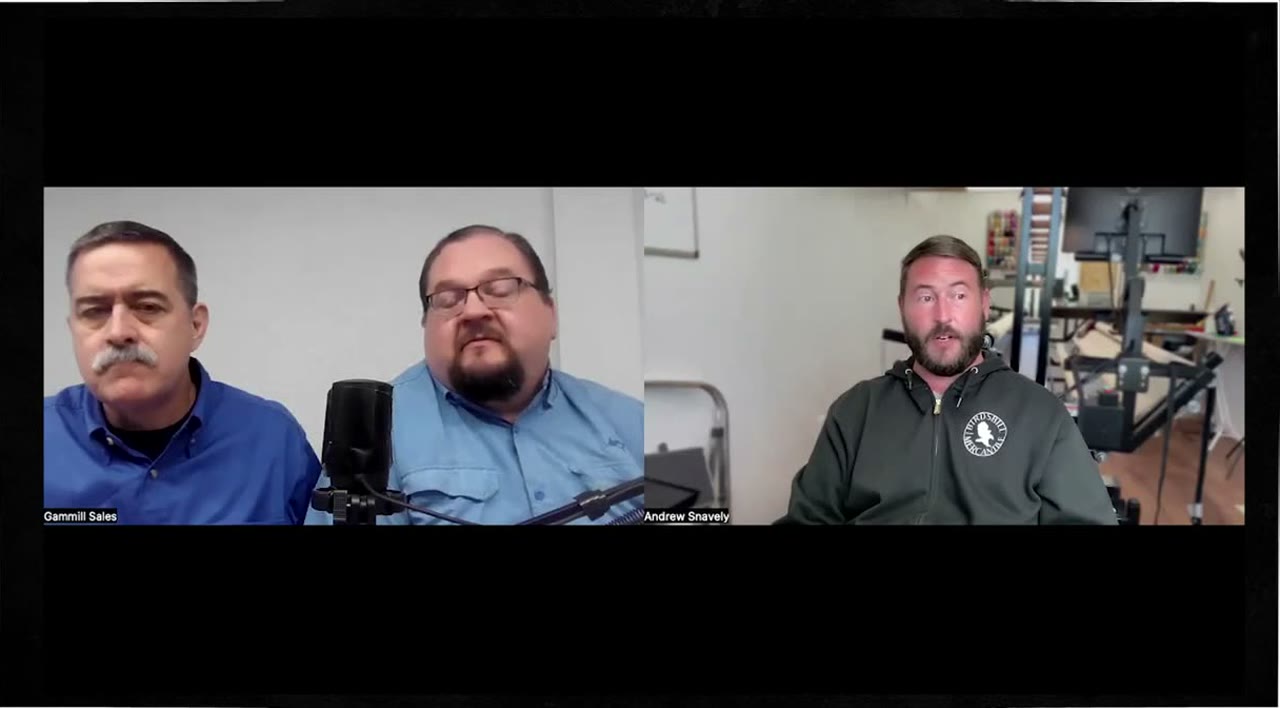
Starting a longarm quilting business was not on Andrew Snavely’s radar when he and his husband first purchased their machine. The journey began out of necessity: Andrew’s husband, a tribal member of MHA Nation, was hand-quilting Lone Star quilts for cultural ceremonies, but the physical toll was unsustainable. “He would come out, and his hands would be kind of balled up. And we’d have to open them back up. And so we got the long arm,” Andrew recalls.1:36 What started as a solution for family and community needs quickly shifted when a former colleague asked Andrew to quilt a memory quilt. “That just kind of became a separate division. So I run the long arming operation, and he runs the custom quilting operation”.2:04
Andrew had never quilted before, but he immediately enjoyed the process of running the longarm machine and designing both custom and edge-to-edge patterns. He remembers the excitement of his first customer picking up a finished quilt: “She was ecstatic… She just loved it. She was ecstatic. And then we bound it for her. So when she came to pick it up, it was done”.4:51 Offering binding services from the start helped set his business apart: “You drop it off in pieces, and then pick it up, and it’ll be a full quilt”.5:32
Within two years, the business grew to quilting 300 quilts annually, with 90% being edge-to-edge work.10:40 This rapid growth demonstrates that starting a longarm quilting business is possible even for complete beginners, as long as you’re willing to learn and adapt. Andrew’s story is proof that you don’t need a quilting background to build a successful business in this field.
Setting Up: Equipment and Learning Curve
Choosing equipment was a deliberate decision for Andrew and his husband, who knew from the outset they wanted a machine that could handle business-level volume. They selected a Gammill Statler Ascend, prioritizing durability and reliability. “We knew that the machine needed to survive that much use. And the name that just kept popping up was Gammill… They’re built to last”.2:33
Andrew’s background in CAD software made learning the machine’s software more accessible, but he emphasizes that preparation is crucial for anyone starting a longarm quilting business. “Prior to my machine’s arrival, they send you the links to the different videos and the educational portals… that’s all I did is I sat down and I watched all those videos and I read the manuals and I had SAM downloaded on my computer and I was playing with it”.20:41 By the time the machine arrived, Andrew was able to quilt his first customer quilt the very same day: “They dropped off the machine, I set it up… my husband Charles comes in when they leave with a quilt top and says, go. And so I had a quilt done for that very first day”.21:20
He encourages new owners to use any pre-delivery training resources and to practice with the software as much as possible beforehand: “The longer we take to learn the machine, the longer we take to learn the software, the longer it’s going to take to start turning a profit. And that educating yourself is part of the investment that you put into it”.22:12 Andrew has not stopped learning since, noting that every quilt teaches him something new.
Pricing and Service Structure
Andrew’s business model is straightforward and transparent, which he believes is essential for anyone starting a longarm quilting business. For edge-to-edge quilting, he charges 3¢ per square inch, which includes both batting and thread. “We start at 3 cents per square inch for edge to edge, but that includes your batting and your thread”.11:12 Custom quilting is priced by the hour, allowing him to fairly compensate for the extra time and skill involved.
This clarity helps set expectations and differentiates his business from hobbyists who may undercharge: “My prices aren’t going to be what Mrs. Jones is charging down the street who does one quilt a month… I have to pay my mortgage”.18:06 Andrew has encountered customers who balk at his prices, but he stands firm, explaining that running a business requires covering real expenses, not just earning enough for the next project.
While Andrew keeps some fabric and batting on hand for sale, he does not stock wide backs, instead offering to piece backings for customers as needed.11:53 He also provides binding services, which many customers appreciate, allowing them to drop off a quilt top and pick up a finished quilt.5:32 This full-service approach has helped him attract and retain customers who want a hassle-free experience.
“We start at 3 cents per square inch for edge to edge, but that includes your batting and your thread.”
“Trying to run a business and my prices aren't going to be what Mrs. Jones is charging down the street... I have to pay my mortgage.”
Finding Customers: Partnerships and Guilds
Andrew’s first customer was a personal connection, but growing the business required proactive outreach. He started by placing business cards in local fabric stores and partnering with shop owners to create drop-off and pick-up locations: “We went to like Joann Fabric and the different fabric stores and just putting our cards on their pegboards… and leaving cards and brochures and kind of partnering with them to get our name out there, but also to set up a drop-off location”.7:25 These partnerships made it easier for customers to access his services, especially since his town lacked its own fabric store.
However, the most significant boost came from joining local quilting guilds. “We’ve doubled our business load just from guild members,” Andrew reports.13:44 Attending meetings, participating in show-and-tell, and bringing their own quilts for display made a direct impact. “The guilds have definitely been… the most business rewarding”.14:11 Andrew and his husband, often the only men in their guild, initially faced skepticism but soon built trust and rapport by showing up consistently and sharing their work.
Andrew also emphasizes the importance of being visible in the quilting community: “Bringing our quilts, our own, the ones that we’ve made to every single quilt show and doing show and tell every single quilt show, something new so they can see what we do has really helped”.14:30 For anyone starting a longarm quilting business, Andrew strongly recommends becoming active in local guilds to build trust and visibility.
“We've doubled our business load just from guild members.”
Workflow, Capacity, and Balancing Life
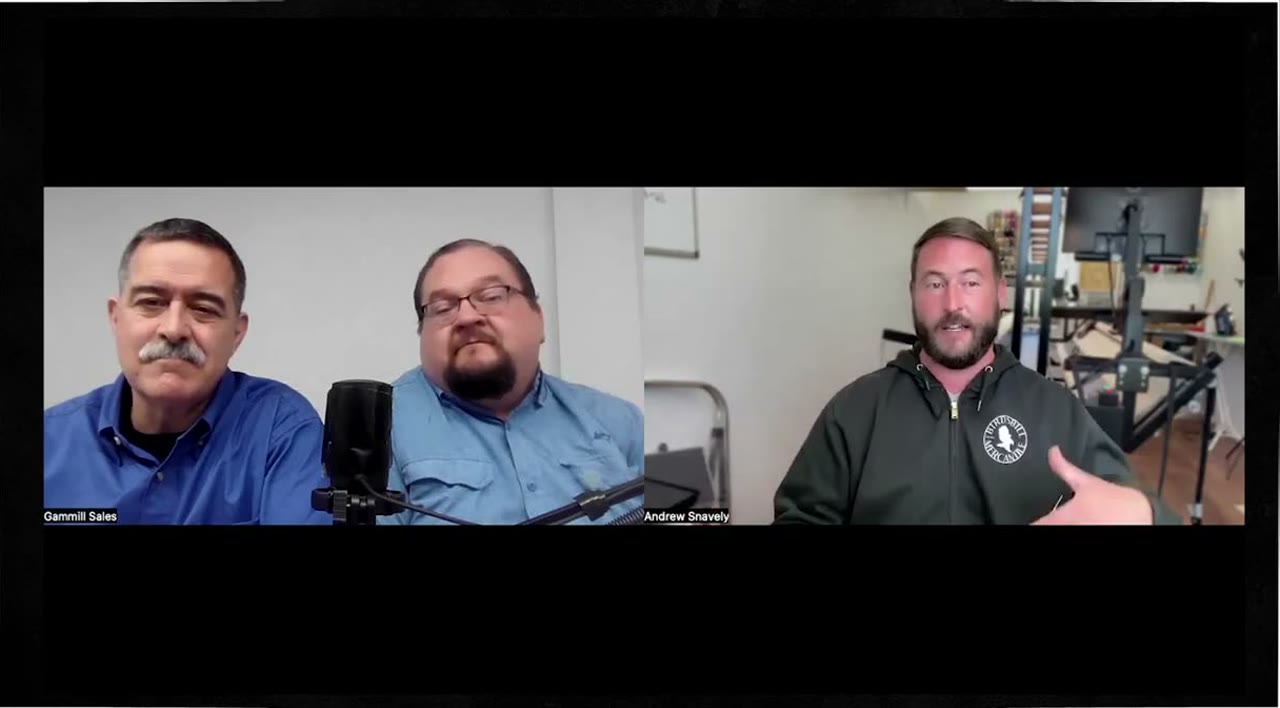
Managing workflow and capacity is a constant balancing act for Andrew, who works full-time in the studio, quilting 40–50 hours per week and completing about 300 quilts per year.9:42 To handle this volume, he limits the number of custom quilts, focusing on edge-to-edge work for efficiency: “I try to limit the amount of custom quilts I do because of the length of time that it takes”.10:08
Running the business from home allows Andrew and his husband to coordinate their schedules around family life and other responsibilities. “Being your own boss and setting your own schedule is, there’s nothing like that… we have a 15 year old… so having us both available to be present with them is awesome”.25:17 Their different working styles—Andrew is a night owl, his husband a morning person—allow them to share the studio and keep the business running smoothly.
Andrew also notes that when customer quilts are slow, he keeps the machine busy by quilting his own projects or experimenting with new techniques: “If you don’t have a customer quilt in your studio, throw one of yours on or throw some fabric on there and try the different features out, drop the belts, try some free motion. It’s, it’s so fun”.32:00 This not only keeps skills sharp but also generates new samples to show at guild meetings and attract future customers.
Communication: The Key to Customer Satisfaction
One of Andrew’s biggest learning curves was translating a customer’s vision into a finished quilt. “When the customer brings you a quilt top… articulating that idea to a long armer is complicated. So trying to pull what they want out, what their imagination is telling them and make that a reality for them. That was a learning curve for me”.15:11
He has developed a process of asking detailed questions to clarify expectations and avoid disappointment. “Sometimes I feel like I’m interrogating them… I want to get a real good feeling, knowing what their idea was, where this quilt is going, what its intended purpose is, all things that will help me design their quilt out the way they want it to be”.16:55 Andrew’s advice: get comfortable talking to people and don’t be afraid to ask clarifying questions.
He also points out that many customers may be too polite to voice disappointment, so it’s up to the quilter to ensure clear communication up front: “I would dread having somebody leave my studio and being like, man, he sucks”.17:13 For those not naturally outgoing, Andrew suggests joining guilds and practicing people skills, as customer interaction is a core part of running a successful longarm quilting business.26:36
Overcoming Challenges: Competition and Business Realities
Andrew acknowledges the challenge of competing with hobbyist longarmers who charge very little. “Trying to run a business and my prices aren’t going to be what Mrs. Jones is charging down the street… I have to pay my mortgage”.18:06 Some potential customers have walked away due to price, but Andrew stands by his rates and professionalism, explaining that a sustainable business must cover real costs.
He also stresses the importance of treating quilting as a real business, not just a craft. This includes managing taxes, business licenses, marketing, and social media. “There’s aspects of the quilting industry that nobody really talks about. It’s behind the scene… Once you get the right people in place and you have your lawyer and you have your accountants and everything’s organized, the quilting is at the top point there”.27:12
Andrew and his husband chose to finance their machine by loaning money from their personal savings to the business, paying themselves back with interest: “We loaned our business the money for the Gammill, and then we bought it outright… we pay us the interest. So we kind of became our own bank”.29:47 This approach helped them avoid outside debt and keep control of their finances. Andrew’s experience shows that understanding the business side is just as important as mastering the craft.
“There's aspects of the quilting industry that nobody really talks about. It's behind the scene... Once you get the right people in place and you have your lawyer and you have your accountants and everything's organized, the quilting is at the top point there.”
Advice for Aspiring Longarm Quilters
Andrew’s journey proves that starting a longarm quilting business is possible for anyone willing to put in the effort. “When I started, I never quilted at all. Not, not a lick… If I can do it and learn it, then honestly, as long as you put in the effort and you treat it like a business, you’re going to do awesome”.31:31
He encourages newcomers to get involved in the quilting community, practice on their own quilts if customer work is slow, and never stop learning. With older longarmers retiring, there is growing demand for new professionals. “The craft was going away. And now that I have both feet in the quilting community, it’s not going away. No, it’s not going away… the older long armors are starting to retire… I’m having more customers come in to me saying my long armor is retired and you are recommended”.33:06
Andrew also shares that their business goal is not just to pay off their first machine, but to grow: “Our goal is to get that second machine. And so we’re halfway to our second machine. And in two years, that’s awesome. So hopefully soon the company itself will pay for the second machine”.34:35 His story is a testament to the opportunities available for those willing to treat quilting as a true business and invest in their own growth.
“When I started, I never quilted at all. Not, not a lick... If I can do it and learn it, then honestly, as long as you put in the effort and you treat it like a business, you're going to do awesome.”
Questions this interview answers
How do you start a longarm quilting business with no experience?
Andrew Snavely started his longarm quilting business without any prior quilting experience. He learned the machine and software thoroughly before it arrived, practiced on his own projects, and treated the business professionally from day one. He emphasizes that anyone willing to put in the effort and treat it like a business can succeed.31:31
What is a fair price to charge for edge-to-edge longarm quilting?
Andrew charges 3¢ per square inch for edge-to-edge quilting, including batting and thread. He finds this rate sustainable for a full-time business, even in areas with hobbyist competition.11:12
How do you find customers for a new quilting business?
Andrew recommends partnering with local fabric shops for drop-off locations and joining local quilting guilds. He found that active participation in guilds, including attending meetings and showing his work, was the most effective way to gain new clients.13:44
What is the most challenging part of running a quilting business?
Andrew cites two main challenges: building trust and visibility in the community, and learning to communicate effectively with customers to understand and deliver on their vision for each quilt.15:11
Is there demand for new longarm quilters?
Yes. Andrew notes that many older longarmers are retiring, and he is seeing more customers come to him after their previous quilter stopped taking new work. He believes the craft is not going away and demand is strong.33:06
Source
This article was written from Episode 44 of Quilting Business Success with Andrew Snavely. Quotes are verbatim and link to the moment in the recording. Full transcript · Markdown version.